
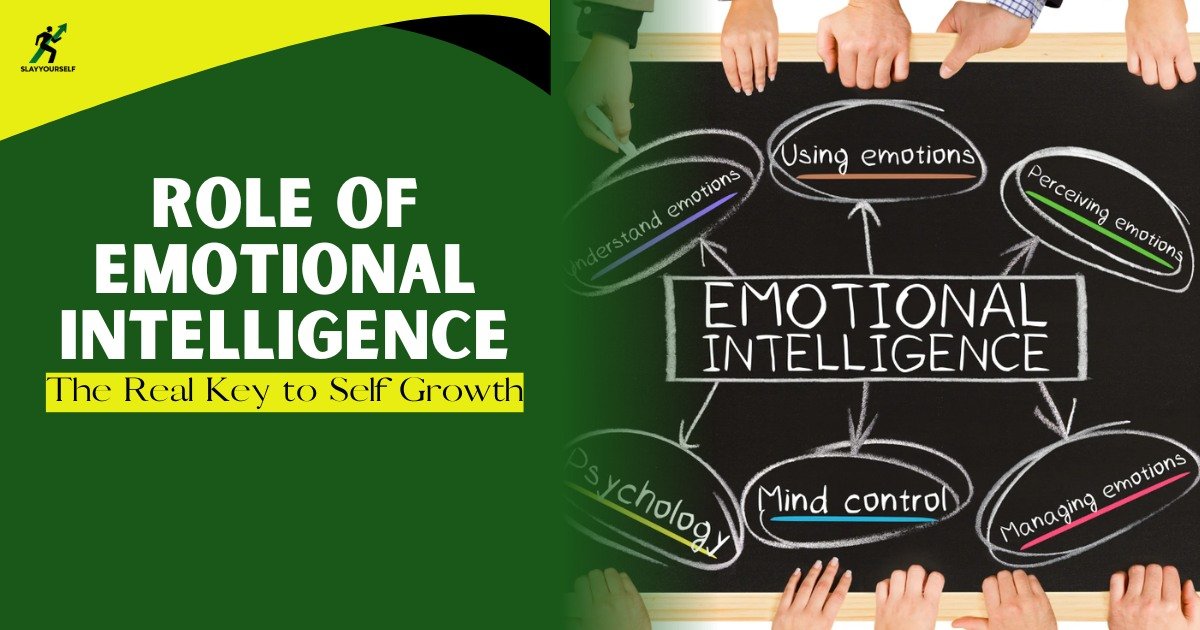
Emotional intelligence (EI) can be a better predictor of success than IQ. In our rapidly changing world, developing EI is the key to unlocking profound self growth.
Emotional intelligence isn’t a soft skill you can ignore. It’s the foundation of self growth. It shapes how you handle stress, how you talk to your partner after a bad day, and whether you quit or push through when a goal gets hard.
Psychologist Daniel Goleman, who popularized the term in the 1990s, argued that emotional intelligence often matters more than IQ when it comes to real-life success.
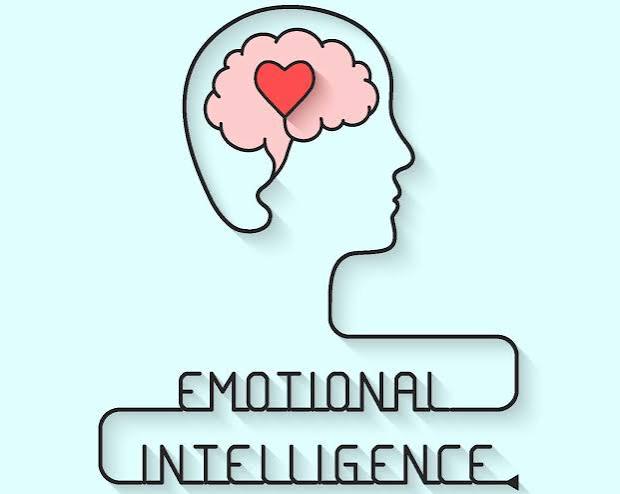
What Is Emotional Intelligence?
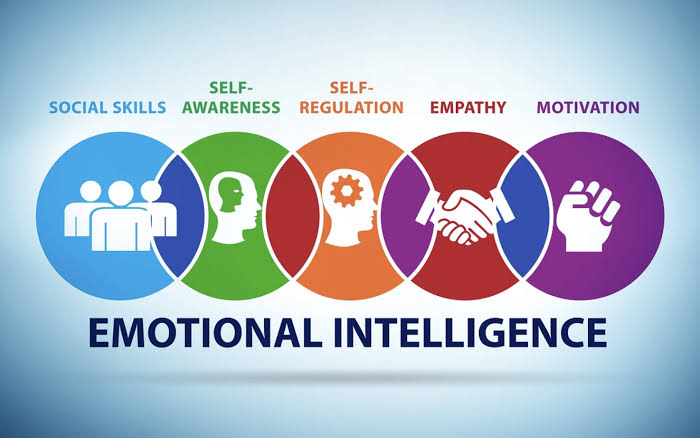
Emotional intelligence is your ability to recognize emotions in oneself and others, regulate those emotions, and use emotional insight to guide thinking and behavior. Psychologists usually break key components of emotional intelligence into four pillars:
- Self-awareness: knowing what you feel and why.
- Relationship management: communicating and connecting well with people and making healthy relationships.
- Self-regulation : managing reactions instead of being controlled by them.
- Social awareness: noticing how others feels.
Why Emotional Intelligence Matters for Self Growth?
The idea of the “self” is not one-dimensional. It is an integration of how we think, how we feel, and how we behave.
In academic psychology, these aspects have traditionally been grouped into three broad areas: cognitive, emotional, and behavioural. Yet for much of the last century, the emotional dimension has received far less attention than the other two.
Here is why emotional intelligence matters:
- It builds real self-awareness. EI helps you catch your own excuses, fears, and triggers before they run the show.
- It improves emotional regulation. Growth requires discomfort. People with strong EI can sit with frustration or disappointment.
- It strengthens goal persistence. Big goals often get messy. EI helps you manage the frustration of setbacks so you don’t quit at the first hard week.
- It protects your relationships. Growth can be lonely if the people around you don’t understand what you’re going through. EI helps you communicate that clearly instead of withdrawing.
The Benefits of Emotional Intelligence in Daily Life
You don’t need to have a big change in your life to see EI in action. It shows up in small, everyday choices.
At home:
- Staying calm during a disagreement instead of shouting or yelling
- Noticing when you’re stressed before it turns into bursting at family
- Instead of bottling things up, being able to say, “I need a moment.”
In friendships:
- Sensing that when a friend is upset, even if they say “I’m fine”
- Apologizing without any shame
- Setting boundaries without guilt
For your own mind:
- Fewer emotional hangovers after conflict
- Faster recovery from disappointment
- More consistent motivation, because you’re not constantly drained by unmanaged stress
A 2020 meta-analysis published in Frontiers in Psychology found that higher emotional intelligence is consistently linked to better mental well-being and lower stress levels across different age groups and cultures.
The Need for Emotional Intelligence Training
Nobody is born fully emotionally intelligent. It’s a skill, which means it can be trained, at any age. Emotional intelligence training is important because:
- Schools rarely teach it, so most adults are improvising it
- Stress and burnout are rising, and unmanaged emotions make both worse
- Relationships fail more often from poor communication than from lack of love or effort
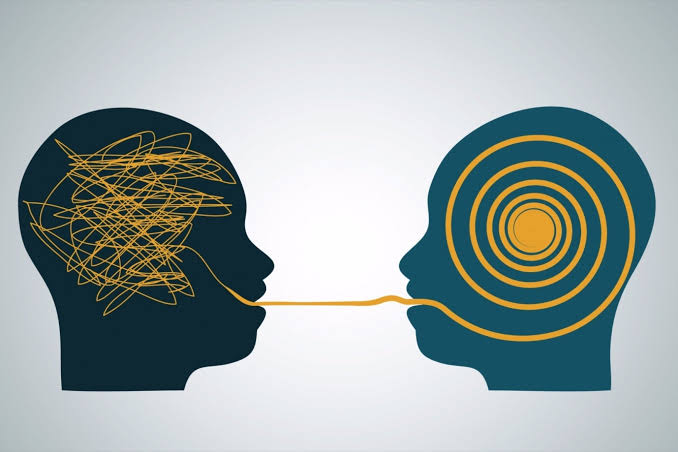
Training doesn’t mean attending a corporate seminar. It can be as simple as therapy, journaling prompts, or the habits covered in the following section.
How to Build Emotional Intelligence: 6 Practical Habits
You don’t need a personality overhaul. Small, repeated habits build EI over time.
Name the Emotion Before You React
When something hits you hard, pause and label it: “I’m feeling embarrassed,” not just “I’m mad.” Naming an emotion calms the brain’s stress response immediately, a process researchers call “affect labeling.”
Track Your Triggers
Whenever you overreact, make a brief note of what triggered that state. Patterns show up fast. Most people are surprised by how often the same 2 to 3 triggers repeat.
Practice the Pause
Before responding to conflict, wait 10 seconds. It sounds too simple to work, but it works anyway.
Ask Instead of Assume
“What did you mean by that?” defuses more arguments than any comeback ever will. This single habit is one of the fastest ways to build stronger, healthier relationships.
Sit With Discomfort on Purpose
Let a hard emotion exist for five minutes without fixing, distracting, or numbing it. This builds the tolerance goal persistence depends on.
Get Feedback From People Who Know You
Ask someone close to you: “Where do you see me struggle emotionally?” It’s uncomfortable. It’s also one of the fastest ways to grow.
Conclusion
Self growth isn’t just about discipline or hustle. It’s about understanding yourself well enough to keep going when things get hard, and understanding others well enough to keep your relationships intact along the way. Start small. Name one emotion today before you react to it. That’s where real growth begins.
FAQs
What is emotional intelligence in simple words?
Emotional intelligence is the ability to notice, understand, and manage your own feelings, as well as to understand and respond well to other people’s feelings.
Is emotional intelligence more important than EI?
For life outcomes such as relationships, leadership, and career growth, many psychologists argue that EI matters just as much as, if not more than, IQ.
Can emotional intelligence be learned?
Yes. EI is a skill you can build at any age through self-awareness practices, therapy, feedback, and consistent habit change.
What are the 4 main components of emotional intelligence?
The four core components are self-awareness, self-regulation, social awareness, and relationship management.
How does emotional intelligence help with self growth?
It helps you notice patterns holding you back, manage discomfort during change, and stay consistent with goals even when motivation dips.
What are signs of low emotional intelligence?
Common signs include frequent defensiveness, blaming others for problems, difficulty naming feelings, poor listening skills, and struggling to recover after conflict or criticism.