
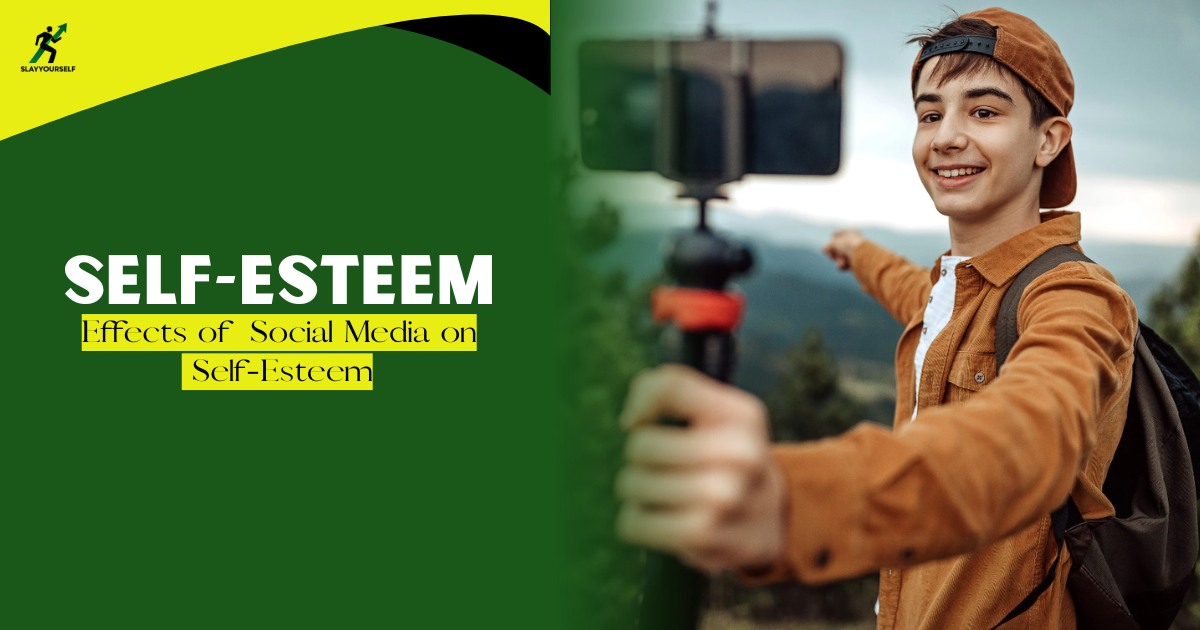
You open Instagram for “just a minute.” Forty minutes later, you’re comparing your life to strangers on the internet, and then it feels like your life is falling behind.
If that feels familiar, you’re not alone. Low self esteem is one of the most common struggles people quietly carry, and social media has become one of its biggest causes.
This isn’t about deleting every app and hiding from the world. It’s about understanding why self-esteem takes a hit online, spotting the signs before they take over your life, and finding doable ways to build it back up.
What Is Self Esteem?
Self esteem is all about how much you value and respect yourself. It shapes how you talk to yourself, how you handle setbacks, and how much you believe you deserve good things, good relationships, good opportunities, and a good life.
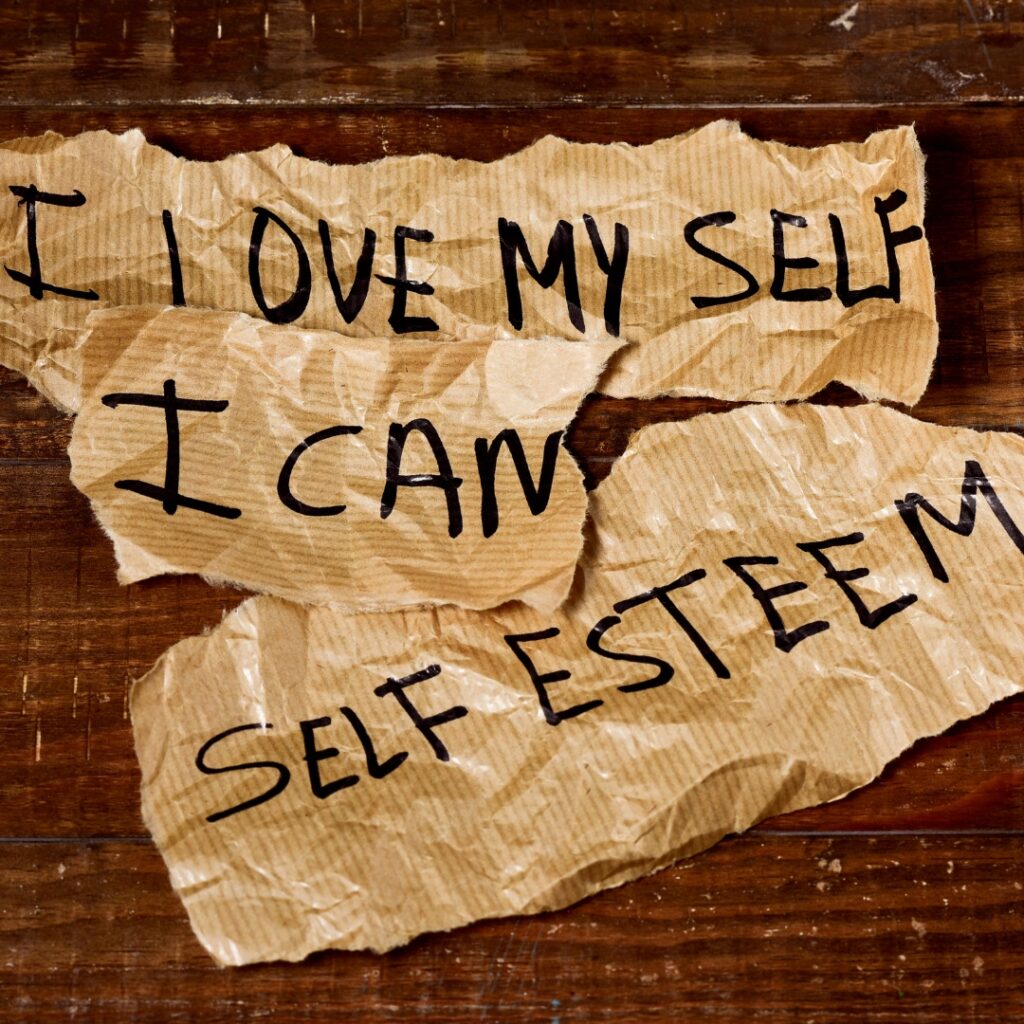
Healthy self esteem doesn’t mean you never doubt yourself. It means you can face a bad day, a rejection, or a mistake without deciding it makes you worthless.
How Does Social Media Affect Self Esteem?
Social media lowers self-esteem by encouraging constant social comparison and exposing users to heavily edited, unrealistic lives. Researchers have been studying the link between screen time and mental health for over a decade, and the pattern keeps repeating: more passive scrolling tends to correlate with lower self-esteem and higher anxiety, particularly in teens and young adults.
A 2018 study published in the Journal of Social and Clinical Psychology found that limiting social media use to 30 minutes a day led to significant reductions in loneliness and depression among college students within just three weeks.
Biopsychosocial Factors Impacted by Social Media
Social media doesn’t just affect your mood; it touches three connected layers of who you are:
- Biological: Poor sleep from late-night scrolling, dopamine spikes from likes and notifications, and increased stress hormone activity.
- Psychological: Constant comparison, anxiety about missing out, and a shrinking sense of self-worth tied to online approval.
- Social: Weaker real-world connections, more surface-level interactions, and a warped sense of what “normal” life looks like.
The Psychology Behind It: Why Comparison Feels So Personal
Psychologist Leon Festinger’s Social Comparison Theory explains a lot of this. His theory says people naturally evaluate themselves by comparing their lives to others; it’s how humans have always figured out where they stand.
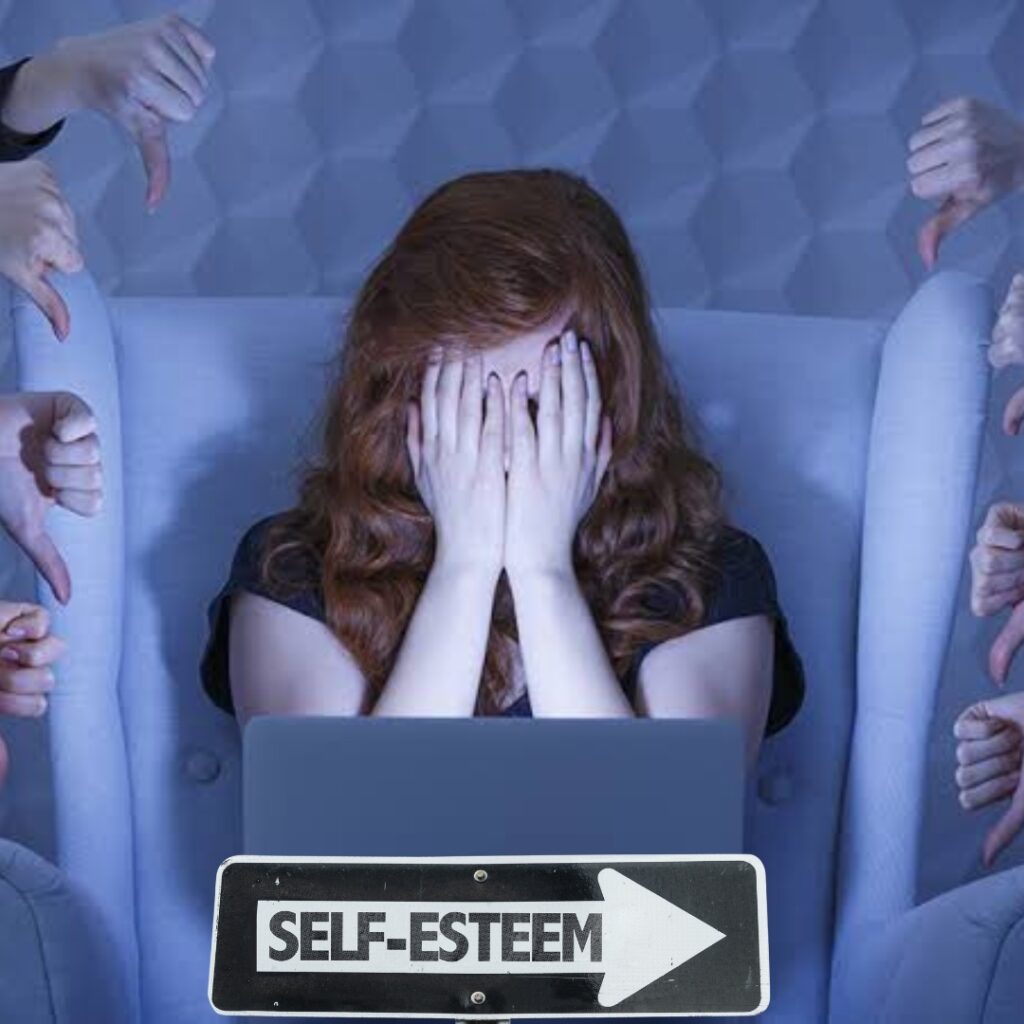
Instead of comparing yourself to a handful of neighbors or classmates, you’re now comparing yourself to thousands of curated, filtered, best-moment-only versions of other people’s lives on social media.
Unrealistic Standards
Filters, lighting, angles, and editing apps have created a beauty and lifestyle standard that doesn’t exist in real life, not even for the people posting it. Seeing these images repeatedly trains your brain to treat them as “normal,” making your own reflection feel like it’s falling short of a bar that was never real to begin with.
Social Comparison
Every scroll invites a silent question: Am I doing as well as they are? This constant, low-level comparison regarding bodies, careers, relationships, and vacations gradually erodes your sense of self-worth, even if you are not consciously aware of it.
Digital Validation
Likes, comments, and follower counts have become a stand-in for self-worth for many people. When your mood depends on how a post performs, your self-esteem becomes something other people control one bad post away from feeling worthless.
Are There Any Upsides to Social Media Use?
It’s not all harmful. If you use social media intentionally, you can:
- Connect you with supportive communities, especially for niche interests or health conditions.
- Help you find mental health resources and education.
- Allow creative expression and skill-sharing.
- Keep you in touch with distant friends and family.
The difference between helpful and harmful use usually comes down to whether you’re using it actively (connecting, creating) or passively (endlessly scrolling and comparing).
The Real Cost: How Social Media Erodes Self Esteem
Images Don’t Portray Reality
What you see is a highlight reel: the tenth take, the best angle, the flattering filter. Comparing your everyday life to someone else’s best five seconds is a losing game from the start.
Fear of Missing Out (FOMO)
Seeing everyone’s parties, trips, and milestones can create the sense that everyone else’s life is more exciting than yours, even though it’s not true.
You Start to Retreat
As comparison and self-doubt grow, some people pull back from real relationships and lean more on their phone for connection, which only deepens the isolation and the cycle.
11 Signs of Low Self Esteem
- Poor Confidence: You second-guess decisions constantly, even small ones like what to order at a restaurant.
- Lack of Control: You feel like life happens to you rather than something you can shape or influence.
- Negative Social Comparison: You regularly measure your worth against others and usually come up “less than.”
- Problems Asking for What You Need: You avoid asking for help, a raise, or support because you feel undeserving.
- Worry and Self-Doubt: You replay conversations and decisions, worrying that you said or did the wrong thing.
- Difficulty accepting positive feedback: Compliments feel uncomfortable, and you often deflect or dismiss them.
- Negative Self-Talk: Your internal voice is harsher to you than it would ever be to a friend.
- Fear of Failure: You avoid trying new things because failing feels like proof you’re not good enough.
- Poor Outlook: You expect things to go wrong more often than they actually do.
- Lack of Boundaries: You struggle to say no, fearing it will make people upset or think less of you.
- Trying to Please Others: Your choices are shaped more by what others expect than by what you actually want.
How Low Self Esteem Can Quietly Take Over Your Life
Greater Risk of Mental Health Conditions
Chronic low self-esteem is closely linked to anxiety and depression. The American Psychological Association notes that negative self-perception is both a symptom and a risk factor for several mental health conditions.
Sensitivity to Criticism
Even gentle, constructive feedback can feel like a personal attack when your self-worth is already fragile.
Difficulty Maintaining Relationships
Low self-esteem can lead to people-pleasing, jealousy, or pulling away from others, all of which strain relationships over time.
How to Cope With Low Self Esteem
- Audit your feed. Unfollow accounts that consistently make you feel “less than,” and follow ones that feel real and relatable.
- Set screen time limits. Even 30 minutes less a day has been shown to meaningfully improve mood in research.
- Practice self-compassion. Talk to yourself the way you’d talk to a friend having a hard day.
- Challenge negative thoughts. Ask: “Would I say this to someone I love?” If not, it doesn’t deserve to be said to you either.
- Celebrate small wins. Confidence is built through evidence: track things you did well, however small.
- Reconnect offline. Real, in-person connection remains one of the strongest predictors of long-term wellbeing.
Positive Habits for Protecting Your Self Esteem Online
- Follow diverse creators, not just “ideal” body types or lifestyles.
- Turn off notifications for likes and comments.
- Schedule specific times to check social media instead of scrolling all day.
- Remind yourself: a post is a moment, not a full life.
Conclusion
Low self esteem doesn’t happen overnight, and it won’t disappear overnight either, but it can absolutely be rebuilt. Start small: notice how certain accounts make you feel, challenge one negative thought today, and give yourself credit for showing up, even on hard days.
FAQs
What is the main cause of low self esteem?
It’s usually a mix of past criticism, comparison, or difficult experiences, not one single cause, and it can develop or change over time.
Can social media really cause low self esteem?
It can contribute significantly, especially through constant comparison and unrealistic images, though it’s rarely the only factor.
What are the first signs of low self esteem?
Common early signs include negative self-talk, trouble accepting compliments, and constant self-doubt.
Is low self-esteem a mental illness?
No, it’s not a diagnosis itself, but it’s closely linked to conditions like anxiety and depression.
How long does it take to improve self esteem?
It varies, but small, consistent changes often show noticeable improvement within a few weeks to months.